Fee Land or Leased Land? How to Tell Before You Make an Offer in the Coachella Valley
 You found a place in the valley you actually like. The price looks reasonable for what you are getting. Then you read the listing again and see two words that were not in any of the other listings: land lease.
If you are buying in La Quinta or Palm Desert, I can save you some worry right now. Then I want to explain the part almost nobody explains, because something happened in Palm Springs this week that changed it.
The short answer for La Quinta and Palm Desert
The Agua Caliente Indian Reservation covers about 28,000 acres of the western Coachella Valley. According to the Bureau of Indian Affairs Palm Springs Agency, that land sits inside Palm Springs, Cathedral City, Rancho Mirage, and unincorporated Riverside County.
La Quinta and Palm Desert are not on that list.
So if your search is centered on my two focus cities, the leased land question is very likely not your question. I still think you should understand it, for two reasons. Most buyers I work with look at more than two cities before they decide on one. And if you ever shop in Palm Springs, Cathedral City or Rancho Mirage, this is the single biggest thing that can change what a house actually costs you every month.
What the checkerboard actually is
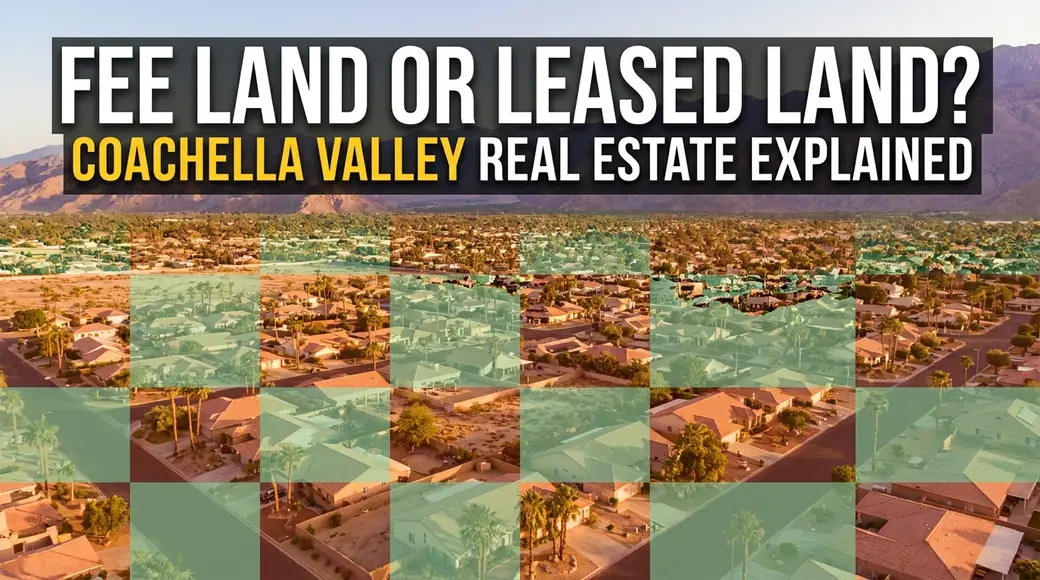
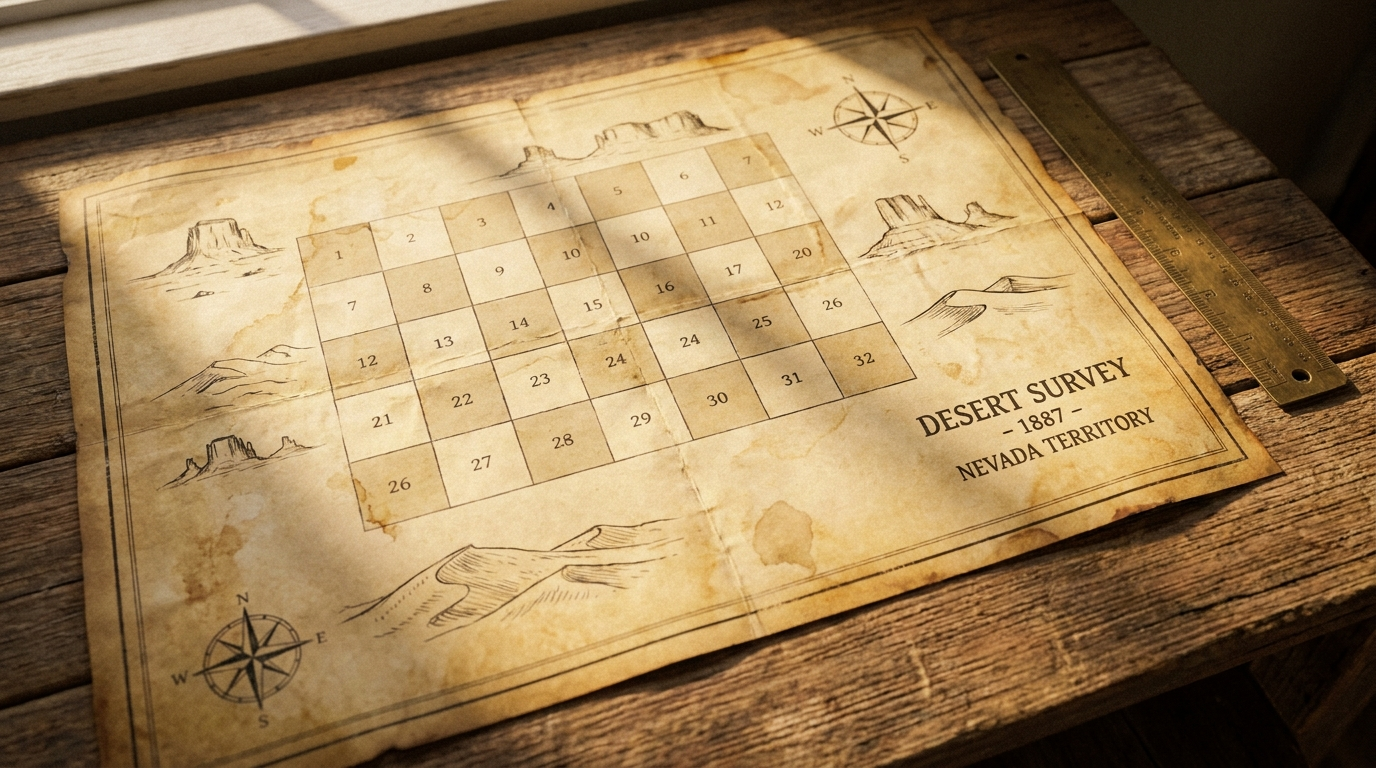
In the 1870s the federal government handed alternating square mile sections of this desert to the Southern Pacific Railroad, as an incentive to build track through it. The sections in between went to the Agua Caliente people. Nobody drew a tidy boundary. The result looks like a checkerboard on a map, and it still does today.
That is why two houses on the same street, two doors apart, can sit on completely different kinds of land. It is not a zoning decision somebody made recently. It is a railroad map from 150 years ago.
The three kinds of land, and why the label matters
The City of Palm Springs lists three categories of land on the reservation:
- Fee land. You own the ground. This works like a purchase anywhere else.
- Land allotted to a tribal member. It may or may not be leased. If you buy a home here, you own the home and you lease the ground under it.
- Tribal trust land. Held in trust for the tribe itself.
When people say leased land in this valley, they almost always mean the second one. You buy the house. The ground underneath belongs to someone else, and your lease has an end date.
What a land lease does to your loan

This is the part that surprises people, and it has nothing to do with whether leased land is a good buy. It is arithmetic a lender does.
A lender wants the lease to outlast the loan with room to spare, generally about five years of room. So the number of years left on the lease decides which loans you can even apply for.
- Roughly 35 years or more left, and a 30 year mortgage is normally available.
- Around 30 to 34 years left, and you are usually looking at a 25 year loan at most.
- Under about 15 years left, and most lenders will not finance it at all.
Once a lease drops under about 35 years remaining, the industry calls it a short lease, and it starts pulling on the value. Lease end dates around Palm Springs run all over the place. Some neighborhoods run out past 2080. At least one sits in the 2030s.
So is it leased land is not really the question. The question is what year does the lease end, and you want that answer before you write an offer, not halfway through escrow. Two nearly identical condos can carry very different prices, and a forty year gap in lease terms is often the entire explanation.
What changed in 2026, and why it matters more than one golf course
Here is what prompted me to write this.
The Tommy Jacobs Bel Air Greens golf course at 1001 South El Cielo Road in Palm Springs closed in 2014. A developer proposed 312 apartments on the 35 acre site under the city's 2019 golf course conversion ordinance. That plan was headed to the Palm Springs Planning Commission on Tuesday, September 22.
It never got heard. The commission pulled it from the agenda, because the Agua Caliente Band of Cahuilla Indians had acquired roughly half the site, as reported by The Palm Springs Post, and moved that half into tribal trust.
The city's planning director, Christopher Hadwin, called what was left a weird hybrid scenario. Half the property no longer needs any city approval process. The other half, still held in federal trust for tribal allottees, goes through normal city review.
The bigger piece of this is not the golf course. Under agreements signed in 1977, the tribe and the City of Palm Springs reviewed development on reservation land together. Earlier in 2026 the tribe withdrew from that agreement for tribal trust property. That is what lets the trust half move forward with no city process at all.
One parcel changing hands is a story. A change in who reviews development across a 28,000 acre checkerboard is a pattern, and it is worth understanding if you own or are buying anywhere inside it.
I am not going to tell you what the tribe plans to build there. City staff said they need to coordinate with the tribe to understand its intentions, which means nobody knows yet, including me. No new hearing date has been set.
The part nobody explains: who hears you if you object
Say a project goes up next to you and you want to object. On fee land in Palm Desert or La Quinta, you go to the city, and if you lose you appeal to the city council. People you can vote for.
On allotted trust land inside the reservation, the project still goes through city review, but the appeal runs to the Tribal Council instead of the city council. On tribal trust land, after the 2026 change, there is no city process to appeal in the first place.
That is not a warning. It is a different system, and it is the detail I see explained least often. If being able to weigh in on what gets built near you matters to you, ask which category your parcel and the empty lot across the street each fall into.
 How to find out before you make an offer
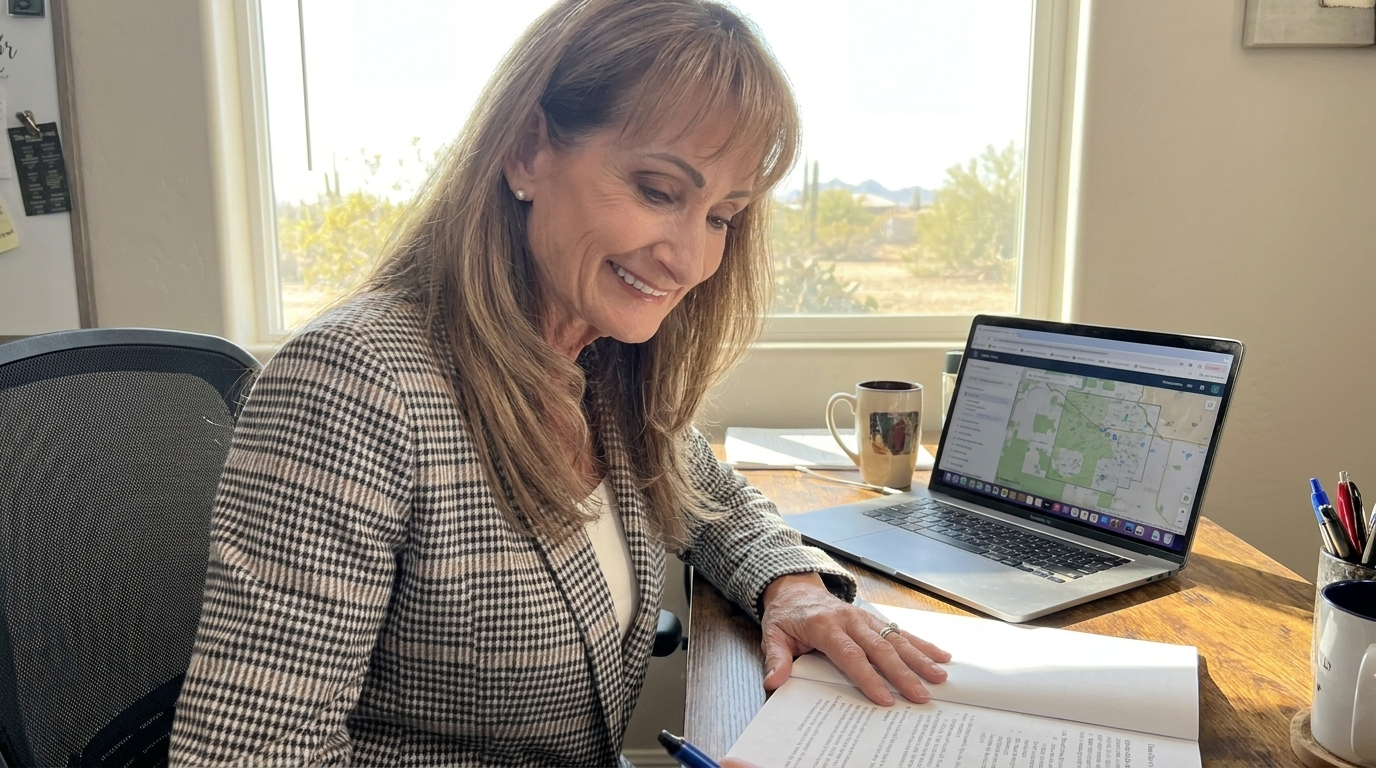
- Check the land status map. The Agua Caliente Band publishes a land status map and a GIS viewer showing which parcels are fee, allotted, or tribal trust. Look up the actual address, not the neighborhood.
- Ask for the lease itself, and read the end date. Every lease is its own document. Terms are not standard across neighborhoods, or even within one.
- Call a lender who has actually closed a leased land loan here. A lender from outside the area will sometimes tell you it cannot be done. Local lenders do these loans regularly.
- Get it in writing from your title company before your contingencies come off.
What I could not find out
Two things, and I would rather say so than imply I know.
I could not find a public count of how many parcels have moved into tribal trust over the last few years. That number would tell you whether the Bel Air Greens situation is unusual or the start of something.
I also could not verify the exact acreage split at Bel Air Greens. Roughly half is what the reporting says, and I won't put a firmer number on it than the reporting supports.
If you want to know what kind of land a specific address sits on, send me the address. That one I can answer.
Laura Lake | Your Desert Real Estate Partner | DRE #01455311
Categories
Recent Posts


GET MORE INFORMATION